
In a world where smartphones have become extensions of ourselves, finding the best mobile application can feel like searching for a needle in a haystack. With millions of apps out there, each claiming to be the holy grail of productivity, entertainment, or social connection, it’s easy to get lost in the digital jungle. But fear not; the quest for the ultimate app doesn’t have to be a daunting task.
Criteria For Evaluating Best Mobile Applications
Evaluating mobile applications requires a keen focus on several key criteria. These factors ensure the chosen apps cater to user needs and deliver value.
User Experience
User experience serves as a cornerstone for app success. An intuitive design allows users to navigate effortlessly. Clear labeling and accessible features enhance usability significantly. Feedback mechanisms, like ratings or reviews, provide insights into user satisfaction. Standard practices in UI/UX design, such as responsive layouts, ensure compatibility across devices. Engaging visuals and animations improve user retention rates, making interactions enjoyable.
Performance
Performance directly impacts user satisfaction and retention. Apps should load within seconds to maintain user interest. Smooth transitions minimize interruptions, helping to create a seamless experience. Regular updates keep the app running efficiently, addressing bugs and improving features. Battery usage and data consumption are critical considerations; apps that are resource-hungry may frustrate users. High-performance applications also tend to have lower crash rates, which benefits overall reliability.
Features and Functionality
Features and functionality determine an app’s usefulness and appeal. Essential functionalities must align with users’ daily needs and preferences. Innovative features can differentiate an app from its competitors. Integration with other services enhances its versatility and worth. Regularly updated features ensure it meets evolving user expectations. Analytics on user behavior can guide future enhancements, keeping the app relevant and effective.
Top Best Mobile Applications of 2023
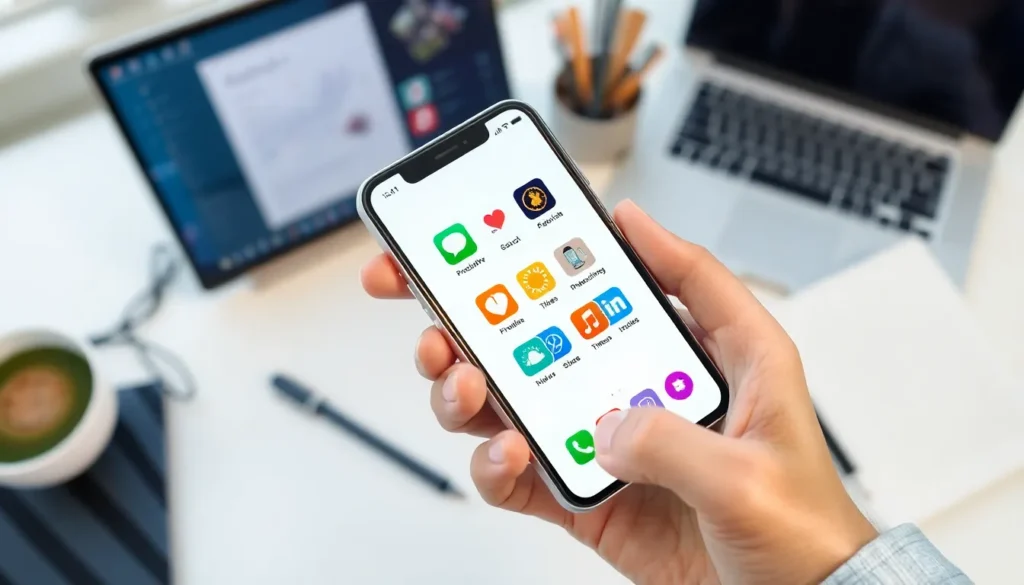
Finding the best mobile applications in 2023 involves understanding specific categories that enhance daily life. Consider these top app categories for recommendations.
Category 1: Productivity Apps
Productivity apps streamline tasks and improve efficiency. Notable options include Todoist, which helps manage tasks effectively, and Microsoft OneNote, a versatile note-taking tool. Trello excels in project management, allowing users to visualize workflow. Slack enhances team communication, making collaboration seamless. Each app emphasizes user-friendly design and integration with other platforms.
Category 2: Social Media Apps
Social media apps connect people and foster engagement. Instagram enables users to share visuals while connecting through stories and reels. TikTok captivates with short, entertaining videos that encourage creativity. Facebook remains a strong platform for community interaction, offering diverse features. Twitter serves up real-time updates and discussions, keeping users informed. Each app targets different audiences yet prioritizes user experience.
Category 3: Fitness and Health Apps
Fitness and health apps support well-being and goal achievement. MyFitnessPal tracks caloric intake and nutritional goals effectively. Strava appeals to fitness enthusiasts, enabling them to log running and cycling activities. Headspace stands out in the mental health space, providing guided meditation sessions. Fitbit syncs with wearable devices to monitor health metrics, motivating users through data. These apps focus on user needs, promoting healthier lifestyles.
In-Depth Review of Featured Applications
This section offers detailed insights into selected mobile applications that stand out in their respective categories. Each app meets the key criteria for usability, performance, and functionality.
App 1 Overview
Todoist enhances productivity with its task management features. Users can create to-do lists, set deadlines, and categorize tasks through projects. The app’s intuitive interface allows seamless navigation. Regular updates improve its performance, ensuring users benefit from new features and bug fixes. Integration with services like Google Calendar adds value, allowing users to synchronize tasks with their schedules. A focus on user engagement keeps the experience dynamic.
App 2 Overview
Instagram captivates with its rich visual content and engaging community. It enables users to share photos and videos while connecting with friends and influencers. Features such as Stories and Reels cater to diverse content preferences. A streamlined user interface simplifies navigation and encourages exploration. Regular feature updates maintain user interest and enhance interaction. Instagram’s integration with other platforms fosters a connected social experience, appealing to a wide audience.
App 3 Overview
MyFitnessPal promotes healthy living by tracking nutrition and fitness goals. Users can log meals, monitor calorie intake, and connect with friends for motivation. The extensive food database streamlines meal logging, making it user-friendly. Customized goals cater to individual needs, encouraging consistent progress. Regular updates enhance functionality, ensuring the app remains relevant in a fast-paced wellness environment. Integration with wearable fitness devices provides comprehensive health insights, further enhancing user experience.
User Feedback and Ratings
User feedback plays a significant role in evaluating the best mobile applications. Ratings reflect users’ experiences and sentiments, guiding potential downloads. High ratings often signify satisfaction; apps like Todoist, with a 4.9 average rating on the App Store, demonstrate exceptional reliability.
Reviews detail the strengths and weaknesses of various applications. Users frequently praise productivity apps for their intuitive designs and efficient features. On the flip side, negative feedback often highlights performance issues, such as slow loading times or crashes. Regular updates address these concerns and enhance user satisfaction.
Engagement remains a vital metric for social media apps. For instance, Instagram boasts over 1 billion active users, often noted for its interactive features like Stories and Reels. Feedback suggests users appreciate these tools, fostering community connections and creativity.
Fitness apps also garner significant attention. MyFitnessPal, with over 200 million downloads, receives praise for its comprehensive food database and seamless integration with devices. User feedback emphasizes tracking capabilities, contributing to healthier lifestyles.
Aggregate ratings provide insight into an app’s overall performance. An analysis of reviews shows that apps consistently rated above 4.5 offer superior user experiences. Gathering feedback is crucial for developers, as it informs future updates and improvements.
Trustworthiness increases with transparency in user reviews. Encouraging users to share their experiences not only aids potential adopters but also creates a vibrant community around the app. Engaging with users demonstrates a commitment to continuous improvement, reinforcing loyalty and long-term success.
Finding the best mobile application doesn’t have to be a daunting task. With the right criteria in mind, users can easily navigate the vast app landscape. Prioritizing user experience, performance, and essential features ensures a rewarding choice.
As highlighted, top applications like Todoist, Instagram, and MyFitnessPal stand out not only for their functionality but also for their ability to meet user needs effectively. By considering user feedback and ratings, individuals can further refine their selections, leading to enhanced satisfaction and engagement.
Ultimately, the best app is one that seamlessly integrates into daily life, providing value and enhancing productivity, social interaction, or personal well-being.


