

Electric vehicles are taking the roads by storm, but how safe are they really? With all the buzz around EVs, it’s easy to get swept up in the excitement of zero emissions and futuristic tech. However, safety shouldn’t take a backseat while you enjoy that silent ride. It’s time to dive into the world of EV safety features that make these cars not just eco-friendly, but also a fortress on wheels.
From advanced driver-assistance systems to robust battery safety measures, modern electric vehicles are engineered with safety in mind. Think of them as the superheroes of the automotive world—minus the capes. With a blend of cutting-edge technology and smart design, EVs are here to protect you while you save the planet. Buckle up as we explore the essential safety features that make electric driving a smart choice for everyone.
Overview of EV Safety Features
Modern electric vehicles (EVs) integrate numerous safety features that enhance driver and passenger protection. Advanced driver-assistance systems (ADAS) play a critical role in preventing accidents. These systems include adaptive cruise control, lane departure warnings, and automatic emergency braking, which help maintain safe driving conditions.
Battery safety represents another crucial component in EVs. Engineers design batteries with thermal management systems to prevent overheating and mitigate fire risks. Some manufacturers incorporate protective battery enclosures, shielding electric cells from collisions and external impacts.
Structural integrity is vital in providing passenger safety. Manufacturers utilize high-strength materials, significantly enhancing crashworthiness. They often design EVs with crumple zones that absorb energy in the event of a collision, protecting occupants.
Electronic stability control systems assist drivers in maintaining control during slippery or challenging conditions. This feature reduces the risk of skidding and improves vehicle maneuverability. Tire pressure monitoring systems alert drivers when tire pressure drops, ensuring optimal performance and enhancing safety.
Additionally, improvements in visibility contribute to overall safety. LED headlights offer brighter illumination, helping drivers navigate at night or in inclement weather. Enhanced rearview cameras provide broader viewing angles, reducing blind spots while reversing.
Each safety feature combined makes EVs not only eco-friendly but also a safe choice for drivers. Evaluating these features can guide consumers in selecting a vehicle that prioritizes safety while offering electric advantages.
Passive Safety Features
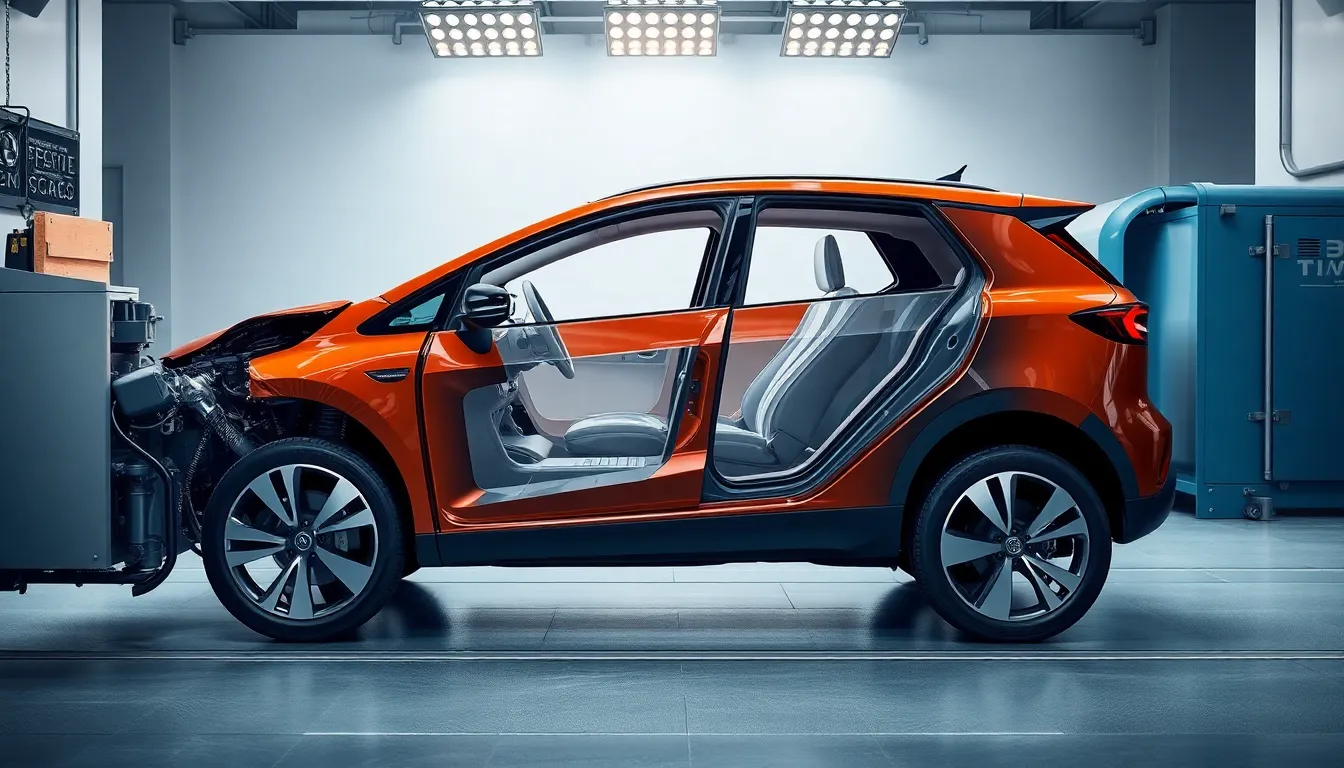
Passive safety features play a crucial role in protecting occupants during collisions. Notably, these features focus on minimizing injury through vehicle design and materials.
Structural Integrity
Structural integrity significantly impacts the overall safety of electric vehicles. Manufacturers construct EVs using high-strength materials that enhance the vehicle’s ability to withstand impacts. Such materials include advanced high-strength steel and aluminum alloys, which improve crashworthiness. Furthermore, improved design techniques enable the distribution of crash forces across the vehicle frame. A well-designed strong structure absorbs energy during an accident, protecting passengers inside the cabin area.
Crumple Zones
Crumple zones serve as essential components in vehicle safety. Engineers design these areas to deform and absorb crash energy, which minimizes forces transferred to occupants. EVs typically feature crumple zones in the front and rear sections, strategically designed to collapse during a collision. Effective crumple zone design reduces the risk of injury by extending the time over which the collision occurs. This extension allows for a gradual deceleration of occupants, leading to safer outcomes during accidents.
Active Safety Features
Active safety features in electric vehicles (EVs) play a crucial role in accident prevention and occupant protection. These features use advanced technologies to enhance driving safety, making electric vehicles a reliable choice.
Collision Avoidance Systems
Collision avoidance systems actively monitor the vehicle’s surroundings to help prevent accidents. They incorporate sensors, cameras, and radar to detect obstacles and possible collisions. When a potential danger is detected, alerts sound, providing drivers an early warning. Some systems even automatically apply brakes if the driver does not respond in time, which significantly reduces the chances of a crash. According to the Insurance Institute for Highway Safety, vehicles equipped with these systems can reduce collision rates by 27%.
Adaptive Cruise Control
Adaptive cruise control enhances driving comfort and safety by maintaining a set speed while automatically adjusting to traffic conditions. This system detects the distance to the vehicle ahead, seamlessly slowing down or accelerating as needed. By ensuring a safe following distance, it minimizes the risk of rear-end collisions. Many EVs offer features that adapt to varying traffic speeds, ensuring drivers can focus on the road without constant manual adjustments. Research indicates vehicles using adaptive cruise control experience fewer speed-related accidents, highlighting its effectiveness in improving road safety.
Advanced Driver Assistance Systems (ADAS)
Advanced Driver Assistance Systems (ADAS) significantly enhance the safety of electric vehicles through a variety of innovative technologies. These systems work together to prevent accidents and overall improve driver control.
Lane Keeping Assist
Lane Keeping Assist uses cameras and sensors to monitor lane markings on the road. This system provides alerts and steering assistance to prevent unintentional lane departures. By gently nudging the steering wheel, it helps maintain proper vehicle position. Research shows that Lane Keeping Assist can reduce the risk of collisions related to lane drift by up to 30%. Many EVs incorporate this feature as standard, ensuring that drivers remain alert and focused.
Automatic Emergency Braking
Automatic Emergency Braking (AEB) detects impending collisions and reacts swiftly to prevent accidents. Sensors assess the distance to vehicles or objects ahead, automatically applying brakes when a potential collision is imminent. AEB has been shown to decrease rear-end crashes by 50%, making it an essential safety feature in modern EVs. This proactive technology provides peace of mind while driving, contributing to a safer driving experience.
Battery Safety Measures
Safety measures for battery systems in electric vehicles (EVs) focus on preventing hazards and ensuring reliability. These measures incorporate advanced technologies and materials.
Thermal Management Systems
Thermal management systems maintain optimal battery temperatures during operation. These systems include cooling mechanisms that transfer heat away from battery cells, preventing overheating. Research shows that effective thermal management can enhance battery lifespan significantly. By regulating temperature, these systems also minimize the risk of thermal runaway, a critical safety concern. Modern EVs often utilize liquid cooling methods, which provide efficient heat dissipation compared to air cooling. Battery performance can remain consistent even in extreme weather conditions due to these management systems.
Isolation and Protection
Battery isolation and protection systems are vital for enhancing safety. Manufacturers design these systems to prevent electrical faults and short circuits. Insulated battery enclosures provide physical barriers against external impacts and environmental factors. Additionally, integrated safety measures monitor battery voltage and temperature continuously. If abnormalities arise, these systems can engage automatic shutdown processes, protecting both the vehicle and its occupants. Compliance with industry standards ensures that EV batteries perform safely and efficiently under various conditions.
Electric vehicles represent a significant advancement in automotive safety. With a combination of active and passive safety features they not only protect occupants but also help prevent accidents before they occur. The integration of advanced technologies like ADAS makes driving safer and more intuitive.
As manufacturers continue to innovate in battery safety and structural integrity the overall safety profile of EVs will only improve. This commitment to safety ensures that as the popularity of electric vehicles grows drivers can feel confident in their choice. Embracing EV technology means embracing a safer future on the roads.


