

Imagine a world where your electric vehicle doesn’t just take you places but also helps power your home. Sounds like science fiction? Welcome to the exciting realm of Grid-EV interaction, where electric vehicles and the power grid team up for a greener, smarter future.
In this dynamic dance of energy, EVs are not just cars; they’re mobile power sources ready to charge up or discharge energy as needed. It’s like having a pet hamster that not only runs on a wheel but also lights up your living room! This innovative synergy promises not only to save money but also to reduce carbon footprints. Buckle up as we explore how this electrifying partnership is revolutionizing energy consumption and paving the way for a sustainable tomorrow.
Overview of Grid-EV Interaction
Grid-EV interaction involves a dynamic synergy between electric vehicles and the power grid. Electric vehicles function as dual-purpose assets, both drawing energy from the grid and providing stored energy back to it. This exchange supports local energy needs and stabilizes the grid during peak demand periods.
The ability to discharge energy makes EVs valuable during emergencies when traditional power sources may fail. With effective integration, the grid can utilize EV batteries to manage fluctuations in supply and demand. This leads to an overall enhancement of grid resilience while enabling consumers to save on energy costs.
Numerous studies indicate significant carbon footprint reductions through optimized Grid-EV interaction. In fact, research shows that widespread adoption can decrease greenhouse gas emissions by up to 30%. Moreover, as renewable energy sources expand, the potential for EVs to store excess solar and wind energy becomes increasingly critical.
Advanced technologies facilitate this interaction, including smart meters and vehicle-to-grid communication systems. Data transfer between EVs and the grid ensures efficient charging and discharging, as well as accurate energy consumption monitoring.
Collaboration among stakeholders, including utility companies, governments, and consumers, is vital for maximizing Grid-EV benefits. Regulatory frameworks must support this initiative, ensuring that incentives encourage EV owners to participate in energy exchanges. The cumulative effect of these efforts advances the transition to a more sustainable energy landscape.
Recognizing the role of electric vehicles in this system poses opportunities for innovations in energy management, enhancing both grid functionality and environmental sustainability.
Importance of Grid-EV Interaction
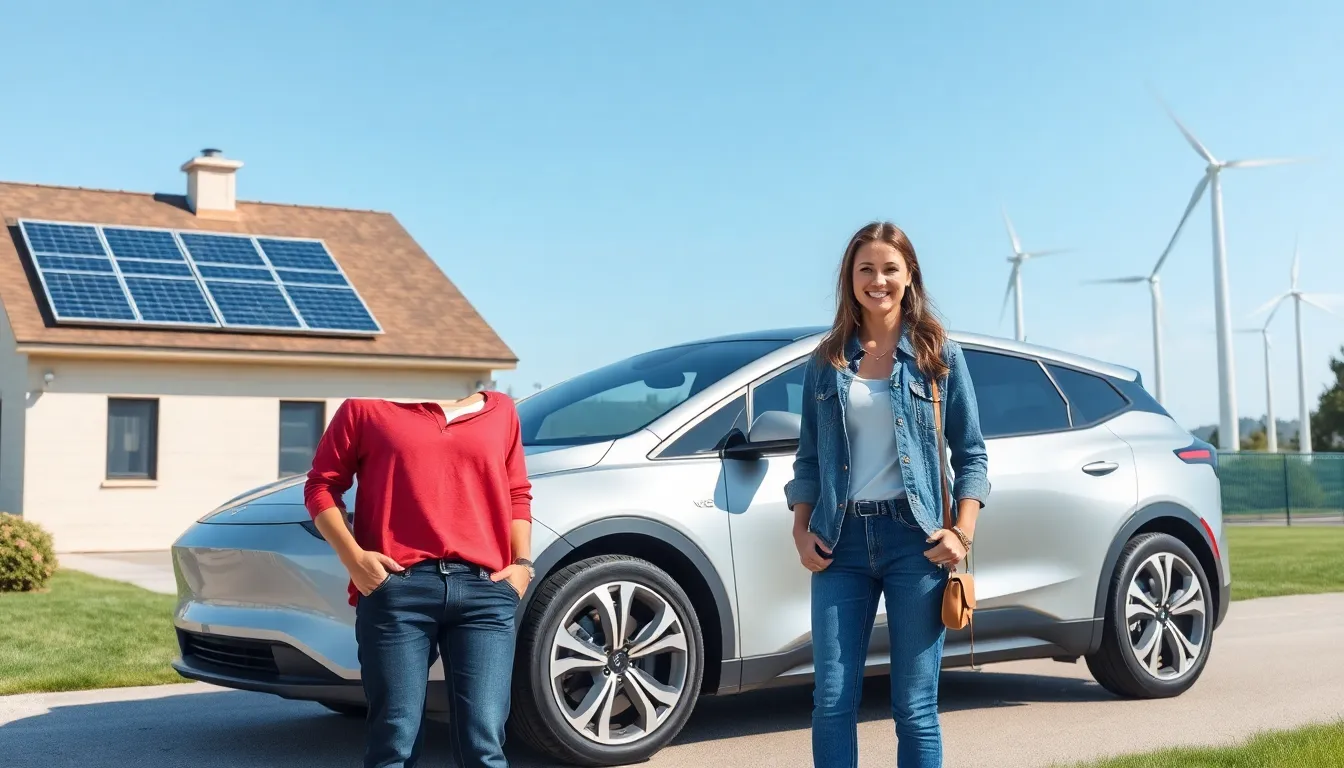
Grid-EV interaction plays a vital role in sustainable energy management. This integration supports both environmental and economic aspects of the energy landscape.
Environmental Impact
Reducing carbon footprints benefits from optimized Grid-EV interaction. Studies show potential decreases in greenhouse gas emissions, reaching up to 30% with widespread adoption. Electric vehicles act as energy storage systems, capturing excess renewable energy from sources like solar and wind. Utilizing EV batteries during peak demand stabilizes the grid, which enhances overall efficiency. Smart technologies improve this dynamic, ensuring that energy exchanges happen seamlessly. Supporting this innovative approach leads to a cleaner, greener future.
Economic Benefits
Economic advantages highlight the importance of Grid-EV interaction. Consumers save on energy costs by using their electric vehicles as power sources. This dual functionality reduces reliance on traditional energy sources, lowering overall expenses. Collaborating with utility companies allows for incentive programs, encouraging energy exchanges and maximizing financial benefits. Efficient energy management creates opportunities for reduced electricity bills. Emphasizing economic gains encourages increased adoption of electric vehicles, fueling further innovation within the energy sector.
Key Components of Grid-EV Interaction
Grid-EV interaction relies on several crucial components that facilitate energy exchange between electric vehicles and the power grid. Understanding these components clarifies how this innovative synergy operates.
Electric Vehicles (EVs)
Electric vehicles serve not only as transportation but also as energy storage units. Their batteries can supply power back to the grid during peak demand. With advancements in battery technology, modern EVs store significant amounts of energy, making them valuable assets for energy management. They enhance grid stability by discharging electricity when needed most. Each EV contributes to the grid’s resilience, especially during emergencies when traditional power sources may fail. Furthermore, the ability to recharge during off-peak hours takes advantage of lower energy rates, creating savings for consumers.
Smart Grids
Smart grids integrate digital technology to manage electricity flow more efficiently. They allow for real-time communication between energy producers, consumers, and electric vehicles. By using smart meters, utility companies gather precise data on energy usage, enhancing demand response strategies. Enhanced connectivity enables better coordination among various energy sources, including renewables. When EVs connect to smart grids, they can participate actively in energy markets. This interaction optimizes energy consumption, reduces waste, and enables cost-effective energy management for all parties involved. Smart grids thus play a vital role in realizing the full potential of Grid-EV interactions.
Challenges in Grid-EV Interaction
Grid-EV interaction faces a variety of challenges that can hinder its full potential. Addressing these obstacles is crucial for advancing sustainable energy solutions and efficient energy management.
Technical Obstacles
Technical challenges in Grid-EV interaction include interoperability and communication issues. EVs must seamlessly integrate with smart grids, yet differing standards often complicate this process. Advanced communication systems help EVs communicate with the grid, but many existing infrastructures lack the necessary upgrades. Battery technology also presents difficulties; limited storage capacity can restrict energy discharge during peak demand. Charge times can influence energy flow, but rapid charging solutions are not universally available. Investments in technology improvement can facilitate smoother integration and enhance overall efficiency.
Regulatory Issues
Regulatory challenges present significant barriers to implementing Grid-EV interaction. Current regulatory frameworks often fail to accommodate the evolving nature of energy markets and technology. Lack of clear policies can create uncertainty for stakeholders involved in energy exchanges. Different local regulations may impose additional compliance requirements on utility companies and consumers. Moreover, incentives for utilizing EVs as power sources are inconsistent across regions. Comprehensive regulatory strategies can promote collaboration among stakeholders and foster the growth of innovative grid solutions.
Future Trends in Grid-EV Interaction
Increased integration of renewable energy sources enhances the role of electric vehicles in Grid-EV interaction. Solar and wind power advancements contribute to a greater need for effective energy storage solutions. Electric vehicles stand out as optimal storage units, absorbing surplus energy during peak production times. Use of smart grids simplifies monitoring and management of energy flow, making real-time adjustments possible.
Consumers show growing interest in bi-directional charging technologies, which allow for seamless energy exchange between the grid and their vehicles. This development positions EVs as valuable assets capable of providing power back to homes or the grid, especially when demand peaks. Enhanced vehicle-to-grid communication systems improve interaction efficiency, providing clear status updates and energy management options.
Utility companies increasingly adopt innovative incentive programs, encouraging customers to participate in Grid-EV interactions. Financial rewards motivate EV owners to discharge stored energy as needed, promoting a more balanced energy ecosystem. Schools, offices, and municipalities can benefit, too, by using their EV fleets to alleviate grid pressure during high-demand periods.
Potential for significant cost savings exists as homeowners utilize their EVs for charging during off-peak hours. This approach reduces overall energy expenses while also promoting the use of cleaner, renewable energy sources. Collaboration among utilities, governments, and stakeholders drives the development of new policy frameworks that support Grid-EV interaction. These frameworks ensure compliance with evolving technologies and market dynamics.
Lastly, ongoing research and development focus on optimizing battery technology, addressing inefficiencies, and enhancing overall performance. As industry standards evolve, overcoming interoperability challenges remains crucial. Progress in these areas will facilitate widespread adoption, marking a pivotal step toward a sustainable, resilient energy future.
Grid-EV interaction represents a pivotal shift in energy management and sustainability. By leveraging electric vehicles as dual-purpose assets, this innovative approach enhances grid stability and promotes cleaner energy use. The collaboration between EVs and smart grids not only offers economic benefits for consumers but also significantly reduces greenhouse gas emissions.
As the demand for renewable energy sources grows, the role of EVs in energy storage and distribution will become increasingly vital. Continued advancements in technology and regulatory frameworks will be essential for overcoming current challenges. Embracing these changes will pave the way for a more resilient and sustainable energy future.


