
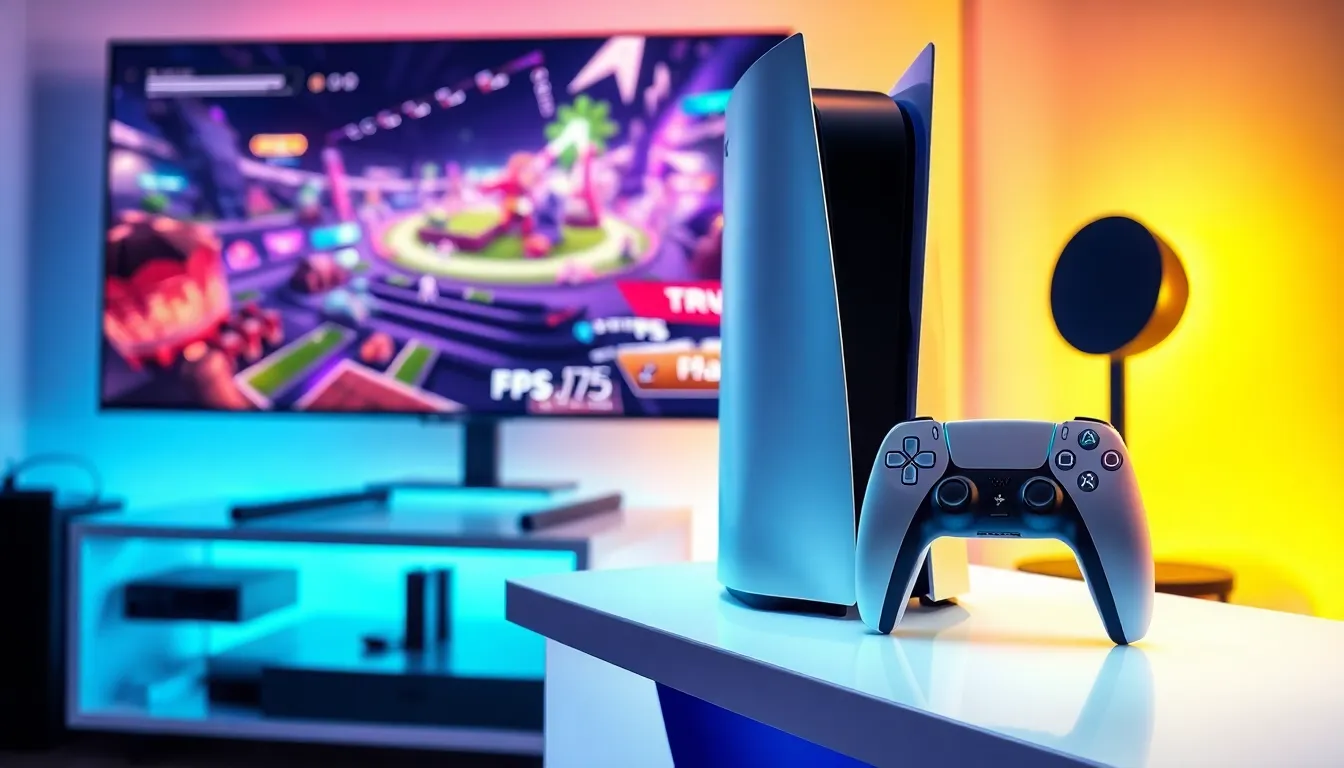
In the ever-evolving world of gaming, PlayStation hardware stands out like a neon sign in a dark alley. With each new console release, it brings cutting-edge technology and jaw-dropping graphics that leave players wondering if they’ve stepped into a sci-fi movie. From the original PlayStation that revolutionized gaming in the ’90s to the sleek PS5 that’s practically a work of art, Sony knows how to keep gamers on their toes.
But it’s not just about looks; it’s about power and performance. Whether it’s lightning-fast load times or immersive virtual reality experiences, PlayStation hardware delivers a gaming experience that’s hard to resist. So grab your controller and get ready to dive into the world of PlayStation, where every gaming session is an adventure waiting to unfold.
Overview of Playstation Hardware
PlayStation hardware showcases a remarkable evolution since the 1990s. Each console introduces innovative technology that reshapes the gaming experience. The original PlayStation laid the foundation with CD-ROM compatibility and 3D graphics, transforming how games were perceived and played.
Following this, the PlayStation 2 marked a significant leap forward, offering DVD playback alongside an impressive library of over 1,800 game titles. With the PlayStation 3, Sony embedded a Blu-ray player, enhancing multimedia capabilities while delivering high-definition graphics. This transition captivated gamers and set a new standard in home entertainment.
The PlayStation 4 refined these advancements with faster processors and improved graphics, supporting expansive open worlds and online multiplayer experiences. Its DualShock 4 controller introduced a built-in touchpad and enhanced motion controls, elevating player interaction. Notably, the PS4 Pro provided a 4K gaming option, targeting enthusiasts seeking the best visuals.
Currently, the PlayStation 5 further advances this legacy. Equipped with cutting-edge SSD technology, it dramatically reduces load times, allowing seamless transitions between gameplay elements. Its DualSense controller offers haptic feedback and adaptive triggers, creating a more immersive feel during gameplay.
Virtual reality capabilities expand the PlayStation ecosystem, enhancing user experiences. The PlayStation VR headset allows players to explore interactive worlds, pushing the boundaries of gameplay interaction. As gaming technology progresses, PlayStation hardware remains at the forefront, constantly shaping user experiences and expectations.
Historical Evolution of Playstation Hardware
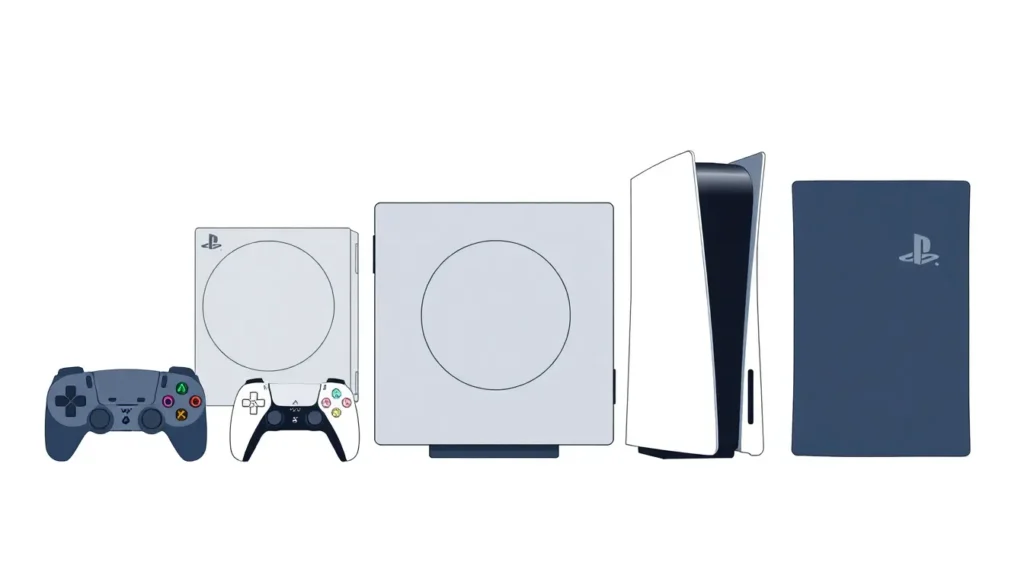
The PlayStation hardware journey showcases remarkable technological advancements and innovations throughout the decades.
Original Playstation
The original PlayStation launched in 1994, revolutionizing gaming with its CD-ROM compatibility and 3D graphics. This console allowed developers to create immersive worlds, leading to iconic franchises like Final Fantasy and Metal Gear Solid. It challenged perceptions of home gaming, attracting a large audience and setting new industry standards. Nostalgic gamers still cherish its unique library and groundbreaking gameplay experiences.
Playstation 2
Released in 2000, the PlayStation 2 introduced DVD playback alongside an extensive game library, reinforcing its position in home entertainment. It became the best-selling console of all time, offering titles that appealed to various demographics. Backward compatibility with original PlayStation games enhanced player choices. Its online capabilities paved the way for multiplayer gaming, further enriching user experiences and connections.
Playstation 3
In 2006, the PlayStation 3 emerged with a built-in Blu-ray player and high-definition graphics, setting a new benchmark for visual fidelity. Features such as PlayStation Network brought digital distribution and online gaming to the forefront. The console’s Cell processor enabled complex game mechanics and rich visuals. Despite initial challenges, it gained traction with exclusive titles like The Last of Us and Uncharted, captivating a dedicated fanbase.
Playstation 4
The launch of the PlayStation 4 in 2013 marked a significant leap in performance, featuring faster processors and enhanced graphics. This console emphasized social interaction, incorporating live streaming and sharing capabilities. DualShock 4, equipped with a touchpad, revolutionized control schemes, offering new gameplay possibilities. The PS4 Pro catered to gamers seeking 4K gaming resolutions, blending power with accessibility for an enhanced experience.
Playstation 5
The PlayStation 5, released in 2020, stands at the pinnacle of gaming technology. It utilizes SSD technology to drastically reduce load times, allowing for seamless gaming experiences. DualSense controller innovations, such as haptic feedback and adaptive triggers, enhance immersion and tactile sensations. The introduction of PlayStation VR2 expands the ecosystem, inviting players to explore virtual worlds. Together, these features push the boundaries of what gamers can expect from future hardware.
Key Features of Modern Playstation Hardware
Modern PlayStation hardware includes several standout features that elevate the gaming experience. Each component plays a crucial role in shaping gameplay.
Performance and Graphics
Performance is a cornerstone of PlayStation’s latest consoles. The PS5 features an AMD Ryzen processor along with a custom RDNA 2 GPU, enabling stunning 4K resolution gaming. Load times reduce significantly due to the ultra-fast SSD, allowing gamers to dive into titles almost instantly. High frame rates enhance the responsiveness and fluidity of gameplay, leading to an overall smoother experience. Gaming now becomes more immersive with ray tracing technology, which provides realistic lighting and reflections, making game worlds feel alive.
Storage Solutions
Storage capacity greatly impacts gaming. The PS5 starts with an 825 GB SSD, which allows for quick game load times and seamless transitions. Players can expand storage through compatible NVMe SSDs, offering flexible solutions for those playing multiple titles. This adaptability ensures that storage space never becomes a barrier to enjoying the latest releases. Furthermore, backward compatibility lets PS4 games utilize the faster storage, enhancing performance without needing additional downloads.
Controller Innovations
Controller advancements revolutionize gameplay. The DualSense controller introduces haptic feedback, immersing players further into the action. Adaptive triggers respond dynamically to in-game actions, creating sensations like resistance when drawing a bowstring. Built-in microphones and a speaker enhance communication and gameplay, removing the need for additional accessories. Controller customization options cater to player preferences, ensuring a personalized experience whether in single-player adventures or competitive multiplayer environments.
Future of Playstation Hardware
The future of PlayStation hardware promises exciting advancements. Developers aim to enhance gaming experiences through innovative technology and design.
Upcoming Releases
PlayStation consistently surprises fans with new hardware. The PlayStation VR2 stands out, offering immersive virtual reality experiences that push gaming boundaries. Rumors suggest a potential PS5 Pro release, which could enhance performance and support 8K gaming. Additional accessories, like improved controllers, are expected to further elevate user engagement. PlayStation fans anticipate these upgrades and their impact on gameplay.
Predictions and Trends
Emerging trends point to increased integration of cloud gaming services. Gamers expect faster, more reliable internet connections to support seamless experiences. Artificial intelligence will likely play a larger role in game development, enabling adaptive gameplay and realistic environments. Sustainability practices in manufacturing may also gain traction, reflecting a growing awareness of environmental impact. Cross-platform play continues to be a priority, promoting wider multiplayer experiences across devices.
The journey of PlayStation hardware showcases a remarkable evolution that has continuously shaped the gaming landscape. Each console has pushed boundaries in technology and design, enhancing player experiences and setting new standards in the industry.
As PlayStation looks to the future, innovations like the PS VR2 and potential upgrades such as the PS5 Pro promise to further redefine gaming. With a focus on immersive experiences and sustainability, PlayStation remains committed to meeting the demands of gamers everywhere.
The legacy of PlayStation hardware is not just about performance; it’s about creating unforgettable experiences that resonate with players around the world.


