

In a world where technology evolves faster than a cat video goes viral, professional hardware stands as the unsung hero of productivity. Whether you’re a graphic designer, a video editor, or just someone who wants their computer to stop crashing during a crucial Zoom call, investing in top-notch hardware can be the difference between smooth sailing and a tech-induced meltdown.
Imagine a workstation that responds to your every command faster than you can say “buffering.” Professional hardware isn’t just about power; it’s about making your life easier and more efficient. So why settle for mediocrity when you can elevate your game? Dive into the world of professional hardware and discover how it can transform not just your work, but your entire workflow. After all, who wouldn’t want to impress their colleagues with lightning-fast performance and a setup that screams “I mean business”?
Overview of Professional Hardware
Professional hardware plays a crucial role in enhancing the efficiency of various tasks. Reliable equipment often leads to fewer interruptions during vital moments, such as Zoom calls or project presentations. Users experience a significant boost in performance with high-quality graphics cards and processors, especially in graphic design and video editing.
Investing in superior monitors can greatly improve visual clarity. Resolution and color accuracy matter a lot in creative fields. Fast SSDs reduce loading times, enabling quicker access to files and applications. Upgrading RAM provides better multitasking capabilities, allowing professionals to work seamlessly across multiple applications.
The right peripherals also contribute to an enhanced workflow. Ergonomic keyboards minimize strain during long hours of use. High-fidelity audio interfaces improve sound quality for music production or video conferencing. Studios often utilize professional-grade microphones and cameras to ensure top-notch output.
Performance improvements become evident in the overall user experience. Professionals can expect reduced latency and smoother processing when they utilize efficient hardware. Enhancing each component of a workstation leads to an optimized environment, facilitating greater productivity.
Regularly evaluating hardware capabilities keeps workstations competitive. Analyzing the latest trends and technologies helps users stay current in their fields. Effective planning for hardware upgrades positions professionals to tackle emerging challenges confidently. Investing in professional hardware guarantees an improved work environment and strengthens productivity in demanding situations.
Types of Professional Hardware
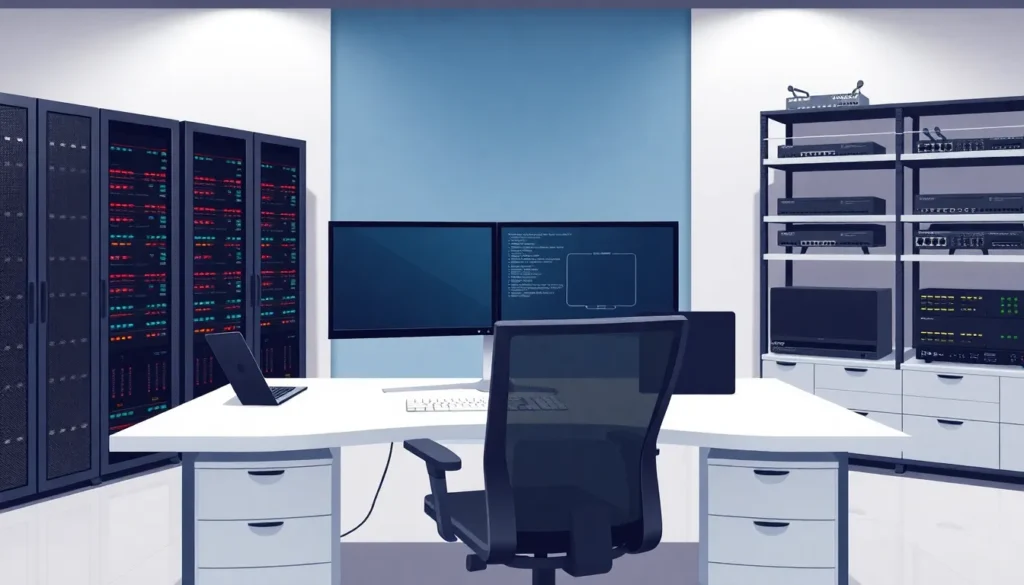
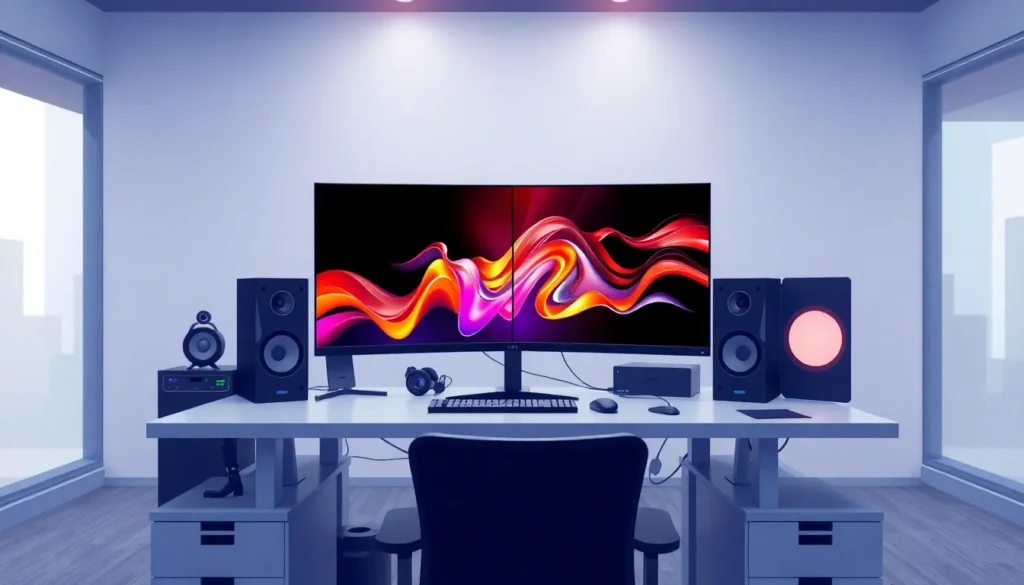
Professional hardware encompasses various devices designed to enhance productivity across numerous fields. Understanding the different types can lead to more informed decisions when upgrading or purchasing equipment.
Workstations
Workstations serve as the core of a professional setup. They typically include powerful processors, high-capacity RAM, and advanced graphics cards. Increased performance during graphic design or video editing stems from these enhanced specifications. Professionals often opt for custom-built solutions tailored to their specific needs. Ergonomic considerations also play a role, as comfortable setups boost productivity. The importance of reliable hardware in maintaining workflow cannot be overstated.
Servers
Servers act as centralized hubs for data management and resource allocation. They enable data storage, sharing, and processing across networks, making them essential for businesses. Robust servers with high processing power allow for efficient handling of multiple requests simultaneously. Security features become vital for protecting sensitive information. Regular updates and maintenance keep server performance optimized and reliable in demanding environments. Investing in quality servers ensures that organizations maintain operational continuity.
Networking Equipment
Networking equipment forms the backbone of communication within professional environments. Routers, switches, and access points facilitate connectivity between devices, enhancing collaboration. High-speed routers support multiple users and bandwidth-intensive applications. Reliable switches manage traffic flow, ensuring seamless data transfer. Investing in quality networking equipment minimizes downtime and enhances overall efficiency. Keeping hardware up-to-date protects against potential security vulnerabilities and maintains competitive advantages.
Key Features of Professional Hardware
Professional hardware delivers specific advantages that enhance productivity and efficiency in demanding environments. Key features include performance specifications, reliability and durability, and upgradeability.
Performance Specifications
High performance specifications are essential for professional hardware. Powerful processors and high-quality graphics cards drive speed and efficiency. A premium workstation equipped with a minimum of 16 GB RAM enables seamless multitasking. Fast SSDs significantly cut loading times, ensuring smooth operations even under heavy workloads. Furthermore, displays with high resolution enhance visual clarity, making tasks like graphic design more precise and enjoyable.
Reliability and Durability
Reliability and durability define professional hardware’s effectiveness. Quality components withstand continuous use, minimizing the risk of failures during critical tasks. A robust workstation often features industrial-grade parts designed for longevity. Each piece of hardware contributes to overall system stability, which prevents interruptions during vital meetings or projects. Investing in brands with proven track records ensures professionals experience fewer technical issues.
Upgradeability
Upgradeability plays a crucial role in maintaining performance. Many professional setups allow easy component upgrades, accommodating evolving needs. Users can extend the lifespan of their workstations by updating processors, adding RAM, or swapping out graphics cards. This flexibility promotes staying competitive in fast-paced industries. Regular evaluations of hardware capabilities enable informed decisions about necessary upgrades to meet increasing demands.
Choosing the Right Professional Hardware
Selecting the appropriate professional hardware requires careful consideration of various factors. Understanding specific requirements leads to effective purchasing decisions.
Assessing Your Needs
Understanding personal or organizational requirements becomes essential when choosing hardware. Consider the types of tasks performed daily. Graphic designers might prioritize powerful graphics cards, while video editors often need high-performance processors. Evaluating current software demands also plays a vital role. Identify tasks requiring multitasking and high-speed performance. For example, running multiple applications simultaneously necessitates ample RAM. Assessing long-term goals helps ensure the hardware remains relevant. Conducting thorough research on recommended specifications aids in making informed choices.
Budget Considerations
Setting a realistic budget significantly impacts hardware selection. Allocating funds based on hardware types leads to better outcomes. For instance, investing in workstations generally requires more upfront costs compared to peripherals. Prioritize essential components to maximize performance within budget constraints. Exploring financing options or second-hand markets can provide cost-effective solutions. Manufacturers’ warranties and support services also matter when evaluating overall expenses. A well-planned budget that considers all necessary elements allows for adequate investment in quality hardware, ensuring optimal performance and durability.
Investing in professional hardware is essential for anyone looking to enhance productivity and streamline their workflow. Quality equipment not only boosts performance but also minimizes interruptions during critical tasks. By carefully assessing individual needs and budget constraints, professionals can make informed decisions that lead to long-term benefits.
Regular evaluations of hardware capabilities ensure that workstations remain competitive in ever-evolving industries. Upgrading components as needed allows users to adapt to new challenges while maintaining efficiency. Ultimately, the right professional hardware transforms work environments, empowering individuals and organizations to achieve their goals with confidence.


