
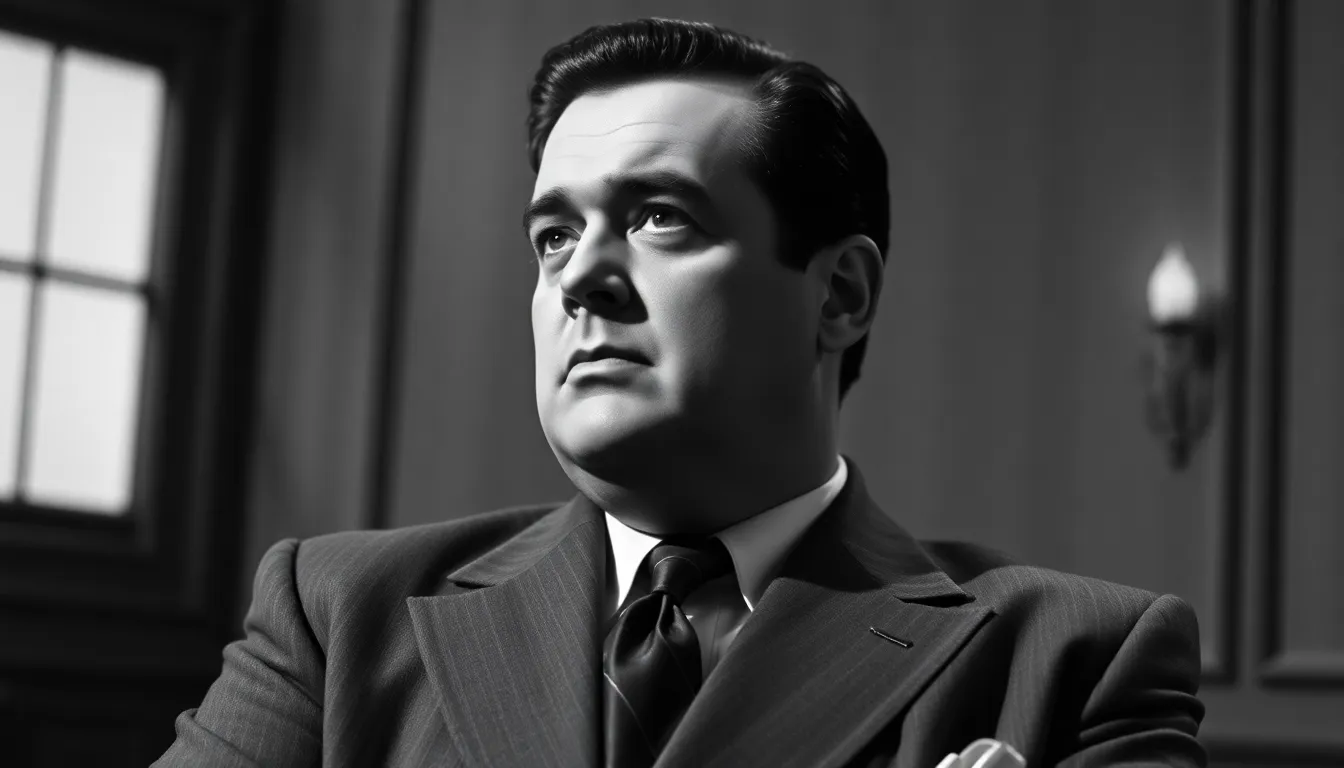
Raymond Burr, the iconic actor known for his unforgettable roles in “Perry Mason” and “Ironside,” left an indelible mark on television history. But what led to the end of this beloved star’s journey? While fans fondly remember his brilliant performances, the mystery surrounding his cause of death adds a layer of intrigue to his legacy.
Overview of Raymond Burr
Raymond Burr gained fame as a versatile actor who captivated audiences for decades. Best known for his roles in “Perry Mason” and “Ironside,” he became a defining figure in American television. His portrayal of defense attorney Perry Mason remains iconic, resonating with legal drama fans.
Burr’s career spanned various genres, showcasing his talent in theater, film, and television. From starring in classic films during the 1940s to becoming a television staple in the 1950s and 1960s, he demonstrated remarkable range. Numerous accolades and awards punctuated his career, highlighting his contributions to entertainment.
Personal struggles, including battles with health issues, marked aspects of his life outside of acting. He experienced significant events in his childhood, including the tragic death of his father, which impacted his later life. These formative experiences influenced his roles and performance style, adding depth to his characters.
While Burr’s professional achievements garnered attention, his death on September 12, 1993, left a lingering curiosity regarding its cause. Reports indicated he suffered from cancer, which ultimately led to his passing. Speculation concerning the exact circumstances surrounding his illness contributes to the enigmatic aura surrounding his legacy.
Through his performances, Burr left an indelible mark on the television landscape. Viewers continue to appreciate his work, which underscores the enduring impact of his contributions to American culture.
Early Life and Career
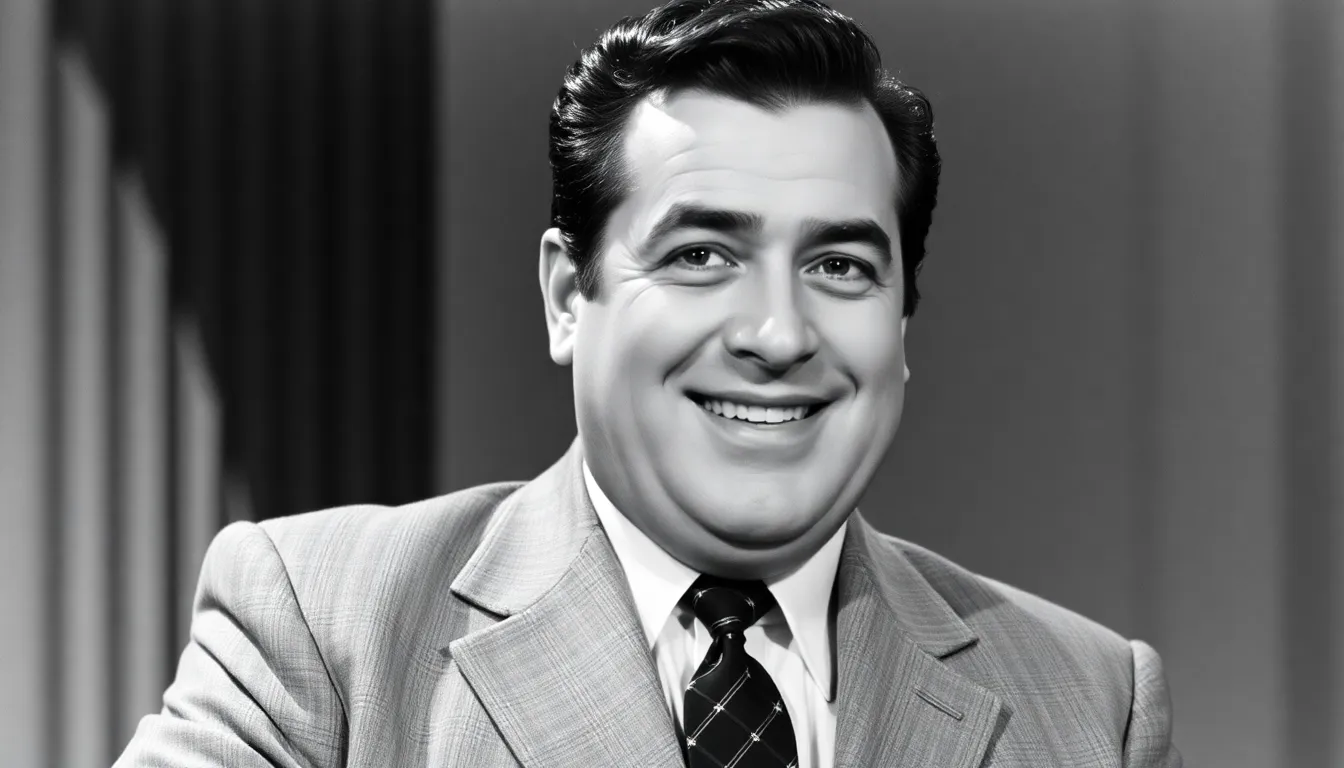
Raymond Burr was born on May 21, 1917, in New Westminster, British Columbia. His early years were marked by a passion for the arts, which led him to pursue acting. This pursuit became evident during his high school days when he participated in various theatrical productions. After high school, he attended the University of Washington, where he continued to hone his acting skills.
In the late 1930s, Burr moved to California to further his career. He initially appeared in numerous films, establishing himself in Hollywood. Notably, he made his film debut in “To Each His Own” in 1946, which garnered critical acclaim. Throughout the 1950s, Burr gained recognition for his compelling performances in both movies and television. His versatility enabled him to portray a diverse range of characters, from villains to protagonists.
Burr’s breakthrough role came with the television series “Perry Mason,” which debuted in 1957. Audiences connected with his portrayal of the clever defense attorney, cementing his status as a household name. This series became a significant part of television history, running for nine seasons and leaving a lasting impact on the legal drama genre.
The success of “Perry Mason” paved the way for further opportunities in television. Burr then starred in “Ironside,” a police procedural that showcased his versatility as an actor. Despite personal struggles, such as health issues, his dedication to acting remained unwavering. Accolades during his career included multiple Emmy Awards, highlighting his talent and influence in the industry.
Health Issues Leading to Death
Raymond Burr faced significant health challenges throughout his life. His struggles with various medical conditions contributed to the circumstances surrounding his death.
Medical Conditions
Cancer ultimately claimed Burr’s life on September 12, 1993. His battle included a diagnosis of liver cancer, which metastasized and complicated his overall health. Prior incidents also reported Burr grappling with other serious conditions, including pneumonia and a severe back injury, that accelerated his decline. A history of health complications often affected his mobility and stamina, impacting his ability to work consistently during his later years.
Lifestyle Factors
Burr’s lifestyle choices played a role in his health journey. He experienced stress from his demanding career, which sometimes led to unanticipated health issues. Smoking and a high-stress work environment were linked to various health concerns. Social isolation and personal struggles likely worsened his overall well-being, creating additional challenges as he navigated his health crises. These lifestyle factors combined contributed to the decline in his health, ultimately leading to his untimely death.
Investigation into Cause of Death
An investigation into Raymond Burr’s cause of death reveals complex health issues that contributed significantly to his declining condition.
Official Reports
Official reports confirm that Burr succumbed to complications from liver cancer on September 12, 1993. Medical sources noted his liver cancer had metastasized, significantly impacting his overall health. Pneumonia was also documented as a critical factor in his passing. Additionally, his past health struggles, including a debilitating back injury, further complicated his situation. These reports emphasize the seriousness of his health battles, providing clarity to the circumstances surrounding his death.
Speculations and Rumors
Speculations regarding the circumstances of Burr’s death abound. Some suggest that lifestyle choices, like heavy smoking, exacerbated his health problems. Others point to the isolation he experienced, attributing emotional stress to his declining health. Rumors also circulated around his treatment approaches, with some questioning the efficacy of his medical care. These discussions reveal the public’s fascination with Burr’s life and the uncertainty that remains about his final years. Each of these factors contributes to a narrative that continues to intrigue fans and commentators alike.
Legacy of Raymond Burr
Raymond Burr’s legacy remains significant in television history. Known for his iconic roles in “Perry Mason” and “Ironside,” he captivated audiences for decades. The groundbreaking portrayal of Perry Mason set a standard for legal dramas, making it a cornerstone of American television. His capacity to embody diverse characters expanded the boundaries of television storytelling.
Born on May 21, 1917, in New Westminster, British Columbia, Burr’s journey into acting began in high school. He pursued his passion at the University of Washington before relocating to California. The acting career launched with his film debut in “To Each His Own” in 1946. Recognition followed quickly during the 1950s for his compelling performances.
The launch of “Perry Mason” in 1957 marked a turning point in Burr’s career. He portrayed the titular character for nine seasons, a role that cemented his status as a household name. Following this success, Burr took on “Ironside,” further showcasing his versatility and solidifying his impact on television.
Despite facing health challenges, Burr’s dedication to acting did not wane. He received multiple Emmy Awards, underscoring his skill and commitment. His battle with liver cancer, complicated by pneumonia and a severe back injury, underscored the seriousness of his final years. The circumstances surrounding his death on September 12, 1993, drew public interest.
Speculations about his lifestyle choices and emotional struggles added depth to the narrative of his life. Public fascination with Burr’s legacy continues to thrive as viewers honor his contributions. The indelible mark he left on the television landscape remains vibrant, illustrating the lasting influence of his work in American culture.
Raymond Burr’s legacy endures through his unforgettable performances and the profound impact he had on television. His roles in “Perry Mason” and “Ironside” not only captivated audiences but also set new standards in storytelling. Despite the challenges he faced in his later years, Burr’s commitment to his craft never wavered.
The circumstances surrounding his death reflect the complexities of his life, filled with both triumphs and struggles. As fans continue to celebrate his contributions to the entertainment industry, Burr’s influence remains a significant part of American cultural history. His journey serves as a reminder of the resilience and dedication that define true artistry.


