

Cholesterol often gets a bad rap, but what’s the real scoop? It’s time to dive into the delicious world of dietary cholesterol and separate fact from fiction. Picture cholesterol as that quirky friend who shows up uninvited to the party—sometimes it’s a good thing, sometimes not so much.
What Is Cholesterol in Food
Cholesterol in food refers to a waxy substance found in animal products. It exists in two forms: dietary cholesterol and blood cholesterol. Foods such as eggs, meat, and dairy products contain higher levels of dietary cholesterol. Despite previous warnings, recent guidelines indicate that dietary cholesterol has less effect on blood cholesterol levels than once thought.
Animal tissues produce cholesterol, contributing to essential bodily functions. It aids in producing hormones, vitamin D, and bile acids, which help fat digestion. Certain foods, however, may increase blood cholesterol, leading to heart disease risk. Red meat, full-fat dairy products, and processed meats often contribute saturated fats that can raise cholesterol levels.
Researchers emphasize the importance of understanding the sources of cholesterol in diets. Foods high in fiber, like fruits, vegetables, and whole grains, help lower bad cholesterol levels. In contrast, trans fats found in many processed foods can raise cholesterol and should be avoided. Balance plays a crucial role; moderation in consuming cholesterol-rich foods aligns with healthier dietary patterns.
Public health recommendations generally suggest limiting cholesterol intake to around 300 milligrams per day. Individuals with specific health conditions, like diabetes or heart disease, might benefit from a lower limit. Knowledge regarding cholesterol sources empowers better food choices, ultimately supporting overall health and nutrition.
Types of Cholesterol
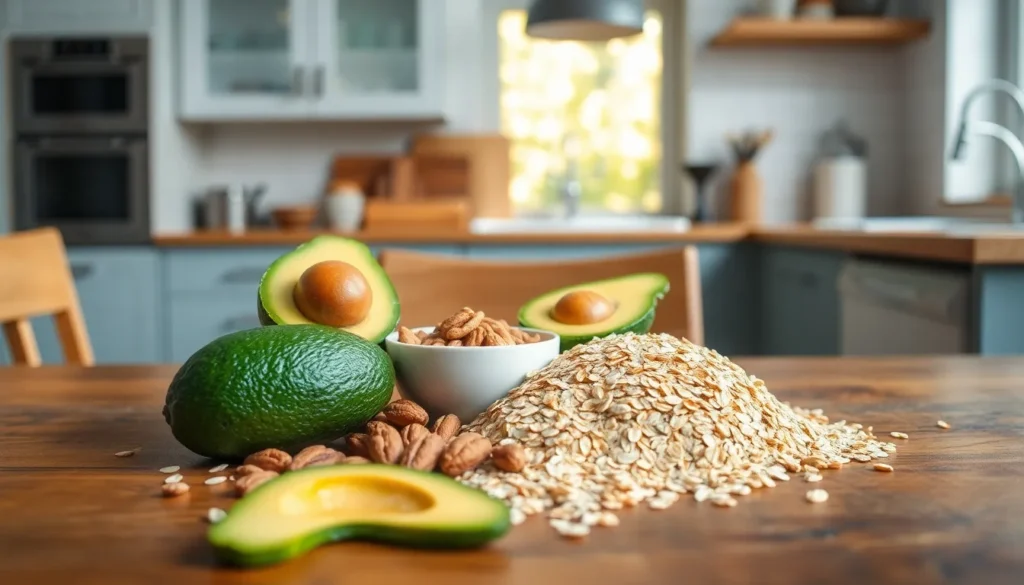
Cholesterol exists in two primary forms: High-Density Lipoprotein (HDL) and Low-Density Lipoprotein (LDL). Understanding these types is crucial for grasping cholesterol’s role in health.
HDL Cholesterol
HDL cholesterol is often referred to as “good” cholesterol. This type works by transporting excess cholesterol from the bloodstream to the liver, where it is processed and eliminated. Research shows higher levels of HDL correlate with a lower risk of heart disease. Regular physical activity and healthy fats found in foods like avocados and nuts can help raise HDL levels. Individuals with high HDL benefit from its protective effects on the heart.
LDL Cholesterol
LDL cholesterol, in contrast, is known as “bad” cholesterol. Elevated levels of LDL can lead to plaque buildup in arteries, increasing the risk of heart attack and stroke. Diets high in saturated fats and trans fats, particularly from red meat and full-fat dairy, often contribute to increased LDL levels. Maintaining lower LDL levels is essential for cardiovascular health. Incorporating soluble fibers from foods like oats and beans helps lower LDL, contributing to a balanced diet.
Sources of Cholesterol in Food
Cholesterol originates from various food sources. Understanding these sources provides insights into managing dietary cholesterol.
Animal-Based Foods
Animal-based foods contain significant cholesterol levels. Eggs rank high on this list, providing approximately 186 milligrams of cholesterol per large egg. Red meat, such as beef and lamb, also contributes, with 70 to 90 milligrams of cholesterol in a 3-ounce serving. Poultry, like chicken and turkey, usually has around 60 milligrams per 3-ounce portion. Additionally, seafood like shrimp holds about 166 milligrams in a 3-ounce serving. Dairy products, especially whole milk and cheese, can add further cholesterol to one’s diet. Each of these food groups plays a role in cholesterol intake and should be consumed mindfully.
Plant-Based Foods
Plant-based foods generally lack cholesterol. Most fruits, vegetables, grains, and legumes contain zero cholesterol, making them heart-healthy choices. Nuts and seeds, while higher in fat, include healthy unsaturated fats and no cholesterol. Avocados stand out as a prime example, offering beneficial fats without any cholesterol. Whole grains, such as oats and barley, can aid in managing cholesterol levels due to fiber content. Emphasizing these foods supports overall heart health and mitigates the impact of animal-based cholesterol in the diet.
Health Implications of Cholesterol
Cholesterol’s role in health generates both positive and negative discussions. Understanding these implications aids in making informed dietary choices.
Positive Effects
Cholesterol contributes significantly to several bodily functions. It plays a vital role in hormone production, including sex hormones and corticosteroids. Moreover, cholesterol is essential for synthesizing vitamin D, which is crucial for bone health. Bile acids, which assist in fat digestion, also depend on cholesterol. Some cholesterol-rich foods contain nutrients beneficial for health. Regular consumption of foods like eggs provides choline, supporting brain health. Individuals with balanced diets high in good cholesterol often show improved cardiovascular health, demonstrating the necessity of monitoring cholesterol levels for overall well-being.
Negative Effects
High levels of cholesterol, particularly LDL, carry health risks. Elevated LDL cholesterol can lead to atherosclerosis, where arteries thicken and become narrow. This condition significantly increases the risk of heart attacks and strokes. Foods high in saturated fats, such as red meat and full-fat dairy, often contribute to rising LDL levels. Many individuals experience these higher levels when consuming trans fats found in processed foods. Consistently high cholesterol levels may require lifestyle changes, including adopting a diet rich in soluble fibers to counteract negative effects. Awareness of these risks encourages proactive dietary management for long-term health improvement.
Recommended Cholesterol Intake
Public health guidelines suggest limiting cholesterol intake to approximately 300 milligrams daily. Individuals with cardiovascular issues should aim for lower limits, around 200 milligrams per day. These recommendations stem from evidence that high dietary cholesterol can correlate with elevated blood cholesterol levels.
Varied sources of cholesterol exist in common foods. A large egg contains nearly 186 milligrams of cholesterol, while a 3-ounce serving of red meat contributes about 70 to 90 milligrams. Processed meats often have high cholesterol levels and saturated fats, making mindful consumption essential.
Moderation plays a crucial role in dietary choices. Replacing high-cholesterol foods with plant-based alternatives can support heart health. Foods such as fruits, vegetables, grains, and legumes are cholesterol-free and provide vital nutrients.
The impact of lifestyle factors on cholesterol levels is significant. Regular exercise and healthy fats can boost HDL levels, enhancing overall heart health. Incorporating soluble fibers from oats, beans, and other sources helps lower LDL cholesterol.
Monitoring cholesterol intake encourages informed decisions. Understanding food labels aids in recognizing cholesterol and saturated fat content. Prioritizing heart-healthy options contributes to better overall well-being.
Understanding cholesterol in food is crucial for making informed dietary choices. While cholesterol plays essential roles in the body, its sources and types matter significantly. By focusing on a balanced diet that includes fiber-rich and plant-based foods, individuals can manage their cholesterol levels effectively. It’s important to be mindful of the types of fats consumed and to limit saturated and trans fats. This approach not only supports heart health but also enhances overall well-being. By prioritizing knowledge about cholesterol, individuals can navigate their food choices with confidence and promote a healthier lifestyle.


